What do you need to know about ovarian cancer surgery? Here's a helpful overview!
Surgery is usually the first and most important step in treating ovarian cancer. It serves a few key purposes: confirming the diagnosis, determining how far the cancer has spread, and removing as much of the cancer as possible (called debulking Show Full Answer
What do you need to know about ovarian cancer surgery? Here's a helpful overview!
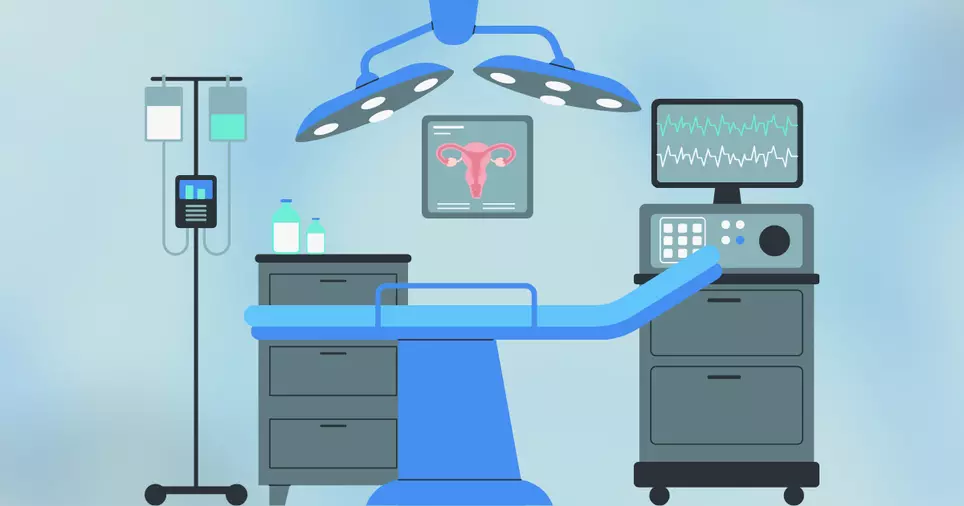
Surgery is usually the first and most important step in treating ovarian cancer. It serves a few key purposes: confirming the diagnosis, determining how far the cancer has spread, and removing as much of the cancer as possible (called debulking). There are several types of surgical procedures that may be involved, depending on your specific situation:
- Oophorectomy — Removal of one or both ovaries
- Salpingectomy — Removal of the fallopian tubes
- Salpingo-oophorectomy — Removal of both ovaries and fallopian tubes together
- Hysterectomy — Removal of the uterus
- Omentectomy — Removal of the fatty tissue covering abdominal organs
- Lymphadenectomy — Removal of lymph nodes to check if cancer has spread
- Debulking surgery — Removing as much tumor as possible, often used in advanced stages In some cases, parts of nearby organs like the bladder, intestines, liver, or diaphragm may also need to be removed if cancer has spread there.
It's important to know that removing both ovaries or the uterus will affect fertility. If preserving fertility matters to you, it's worth having that conversation with your care team early on, as some early-stage cases may allow for more limited surgery. Surgery may be done through a minimally invasive approach (like laparoscopy or robotic surgery), which can mean faster recovery. However, more advanced cases often require a larger incision.
After surgery, a hospital stay of a few days is typical, and activity may need to be limited for several weeks. Pain management will be part of your recovery plan, so don't hesitate to talk openly with your care team about what to expect.
September 9







 Join
Join




 Your Privacy Choices